Back to All Blogs
March 10, 2026


Almost any AI pilot looks promising in controlled environments. But once it reaches the shop floor, results often fall short.
This gap doesn’t come from the technology itself. It’s driven by the operating environment. Because manufacturing systems can be complex and data is often inconsistent, initial AI use cases in manufacturing should focus on creating sustained value and clear return on investment.
This means use cases that integrate easily with existing operations and tolerate imperfect data are the most likely to deliver fast, measurable results.
Which AI Use Cases in Manufacturing Actually Work?
The AI use cases in manufacturing that consistently succeed share three traits:
- They solve clear operational problems
- They work with existing data and systems
- They deliver measurable improvements quickly
These five use cases, covering everything from AI in production planning to supply chain operations, meet those criteria and make excellent starting points for manufacturing AI implementations.
Five AI Use Cases for Manufacturing That Deliver Clear ROI
With over three-quarters of US manufacturers alone investing in AI tools, it’s essential that any chosen projects show their value on the shop floor. These five AI use cases for manufacturing have proven track records of fast ROI and successful implementation, without large-scale disruption.
Predictive Scrap Reduction
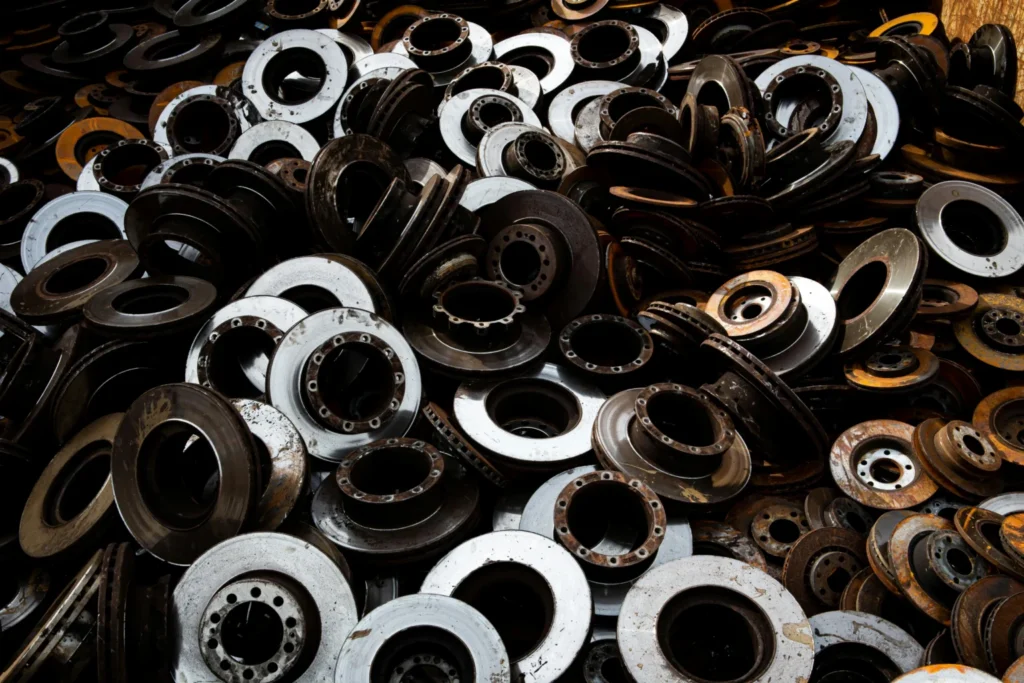
Scrap is a direct and visible cost for manufacturers, so reducing it can immediately improve margins. That’s where predictive scrap reduction can help.
Here, AI is used to identify systemic patterns that lead to defects. Models analyze machine data and process variables, and can even weigh them against environmental conditions. This means operators can:
- Adjust machine settings before defects occur
- Identify root causes quickly
- Reduce rework and material waste
Unlike more complex AI implementations, this use case relies on existing sensor data, making it a great initial pilot area to explore.
AI for Production Planning
Current production planning relies mainly on static rules and manual adjustments. This can lead to inefficiencies during demand or supply shifts. AI can address these challenges.
AI for production planning can improve scheduling by integrating data from:
- Demand forecasts
- Machine availability
- Workforce constraints
- Material supply
With all these factors considered, optimized production sequences can be created—ones that minimize downtime and improve overall throughput.
While AI for production planning is more complex to pilot than predictive scrap reduction, it enhances, not replaces, existing planning workflows and can be a valuable investment.
AI Quality Control Systems

Another popular manufacturing AI implementation is in QA/QC processes. After all, manual inspection is inherently slow and can be inconsistent. Traditional automation, however, struggles with variability.
That’s where AI quality control systems can improve processes. Using computer vision to detect defects in near real-time, they “see inside” products noninvasively, reducing reliance on manual inspection.
As a contained area of the factory floor, AI quality control systems are simpler to implement than many use cases. Quality improvements quickly accumulate, especially in high-volume environments.
AI in Supply Chain Operations
Among supply chain leaders, 64% see AI in supply chain operations as a critical investment. Supply chain reliability is essential, as pandemic-related disruptions have shown. Any delay or shortage immediately impacts production.
AI in supply chain operations helps by:
- Predicting demand and supply more accurately
- Optimizing inventory levels
- Identifying logistics network risks
- Managing reordering and stock levels efficiently
When manufacturers can act before supply chain issues disrupt schedules, they gain immediate advantages. And because most manufacturers already have supply chain data, implementation can be surprisingly quick.
Machine Efficiency
Another direct margin impact manufacturers face comes from energy costs and machine utilization. This is where AI’s predictive capabilities help by analyzing equipment performance and energy use patterns.
With better control of these factors, manufacturers can:
- Reduce unnecessary energy use
- Optimize how machines run and when
- Identify process inefficiencies
- Adjust work volume in line with demand
This delivers measurable savings—without major process changes, just optimization of how you already work.
Why These AI Use Cases in Manufacturing Work and Others Fail
Many manufacturing AI implementation efforts aim too high. Rather than solving focused problems, they attempt to transform everything.
A strong AI use case for manufacturing should:
- Work with existing processes
- Deliver results quickly
- Require limited data optimization
- Support operator decision-making
Systems that fit existing processes, with clear, actionable outputs, see the greatest success. When you focus on practical AI use cases, you achieve faster returns and lower implementation risk, building momentum through targeted wins.
AI use cases in manufacturing don’t succeed because they are complex or impressive. They succeed when they are focused on real results.
Start with a few high-impact use cases and measure results to secure your initial competitive advantage. You can build from there as each pilot delivers ROI and you begin to see real success with manufacturing AI implementation.
FAQs
The most effective AI use cases for manufacturing include quality control systems and production planning optimization tools. AI in supply chain operations and applications such as predictive scrap reduction and process optimization deliver particular value.
For success with manufacturing AI implementation, projects should align with existing workflows. Data quality and operator adoption will also be vital to a successful implementation. Ideally, start with small-scale pilot programs and expand once the use case is proven.
AI quality control systems use computer vision to detect defects in real time, even those the eye cannot see. They greatly improve QA accuracy and reduce the need for manual inspection, allowing issues to be identified earlier in production runs.
Predictive scrap reduction is one of the easiest AI use cases to implement in manufacturing. As it uses existing machine data and delivers immediate cost savings, it’s relatively simple and cost-effective to roll out.
Ideally, manufacturing AI implementation should start with focused high-impact use cases—ones that integrate easily with existing systems, such as scrap reduction. These early successes will build momentum for broader AI adoption.

 View Profile

Recent Posts
-
 February 10, 2026
 -
 January 14, 2026
 -
 December 17, 2025