Back to All Blogs
May 12, 2026


Much has been said about the workforce retirement risk in manufacturing, but one critical issue remains: with that retiring workforce goes decades of institutional knowledge that isn’t being “recycled” back into the business.
In theory, that knowledge is recorded in manuals and documentation. In practice, it often lives only in the heads of the people who gave the company years of their life and knowledge. Whether it’s how to get the tricky fifth machine on your manufacturing floor to actually output, or exactly how you diagnose problems across the company, it’s all vital information that has no official record or repository, learned over time and experimentation.
And companies often don’t know what they’ve lost until problems arise, and Jim from the machine shop is long gone, unable to fill in the gaps.
Knowledge capture in manufacturing with AI is perhaps one of the least-mentioned benefits AI can bring a business, yet may prove to be the most crucial of all when problems rise. If your manufacturing outfit hasn’t got a structured way in place to capture and scale that expertise gap, however, you risk losing the exact capabilities that keep your business running smoothly.
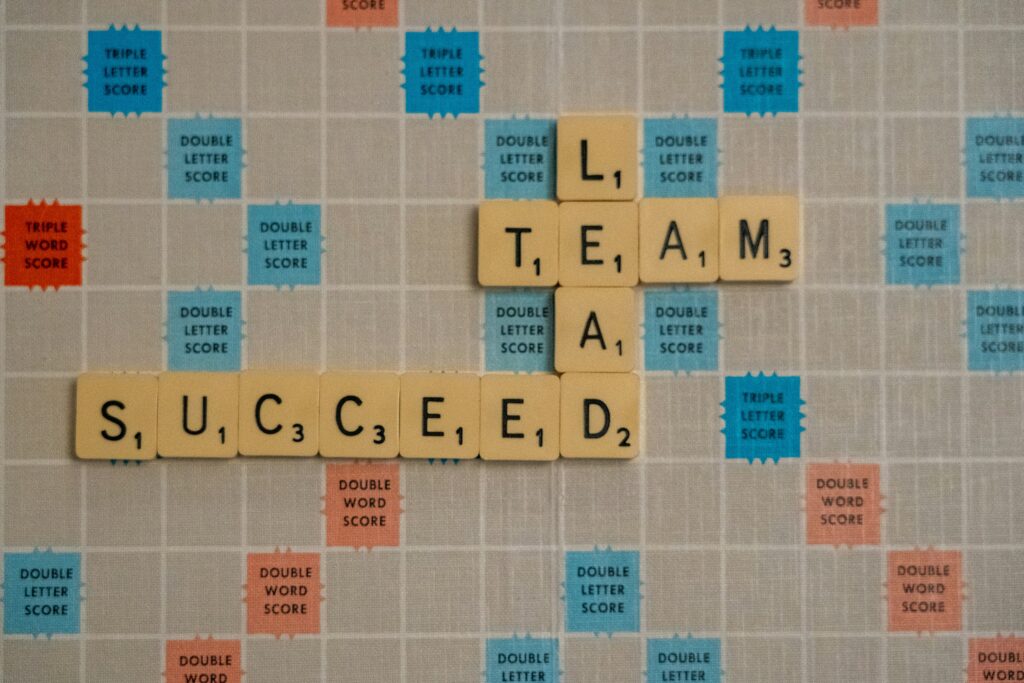
What are the Real Risks of Institutional Knowledge Loss in Operations?

Image Source: Unsplash.com
When someone retires, you don’t just lose a person. You lose the wealth of knowledge they have built with time, including:
- Problem-solving patterns
- Workarounds and edge-case handling
- Decision-making rooted in real conditions and business idiosyncrasies
- Process optimizations that were never documented
This loss is a fast track to more downtime, greater errors, longer training, and inconsistent performance. It’s not a “knowledge gap” as much as it is a structural risk.
And with just over a quarter of the manufacturing workforce set to retire in the next decade, that’s a staggering amount of knowledge that could be lost for good. Knowledge capture in manufacturing with AI can help, however, offering a clear path to recording and structuring this expertise for future work generations.
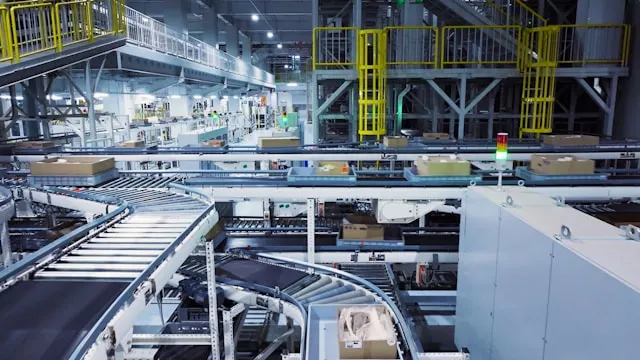
Capturing Tacit Knowledge in Manufacturing: The Often-Missed Gap

Image Source: Pexels.com
This problem doesn’t come through a lack of documentation. Many manufacturers are already swimming in standard operating procedures and training manuals. However, these documents inevitably focus on the “nuts and bolts,” and the gold standard way things should work.
In practice, however, applying that knowledge looks different. That’s because this formal structure fails in capturing the tacit knowledge manufacturing workers gain over years on the job. Things that don’t “feel” like a process or a training session, but which have been learned through years on the job with practical experience.
Examples of this institutional or tacit knowledge in manufacturing could include:
- Operational and machine “know how”, such as undocumented settings and troubleshooting steps
- Material nuances and learned experience
- Quality control quirks and small tells
- Past failures and resolutions
- Customer preferences and small details that improve customer experience
- Practical guidance on “how we do things” vs. official procedures
And that’s the very knowledge manufacturers stand to lose as workers retire — if it isn’t recorded and scaled correctly, that is.
How Knowledge Capture in Manufacturing with AI Preserves Critical Skills
AI cannot replace that expertise by itself. What it can do, however, is capture and scale it. AI knowledge management systems can:
- Capture expertise and how it applied to real workflows
- Analyze patterns across historical data
- Turn actions and knowledge into structured playbooks
- Offer a real-time repository for specialized expertise
This shifts the reliance from memory to a structured system that can not just retain knowledge, but apply it consistently. In fact, it may be one of AI’s most important use cases in manufacturing.
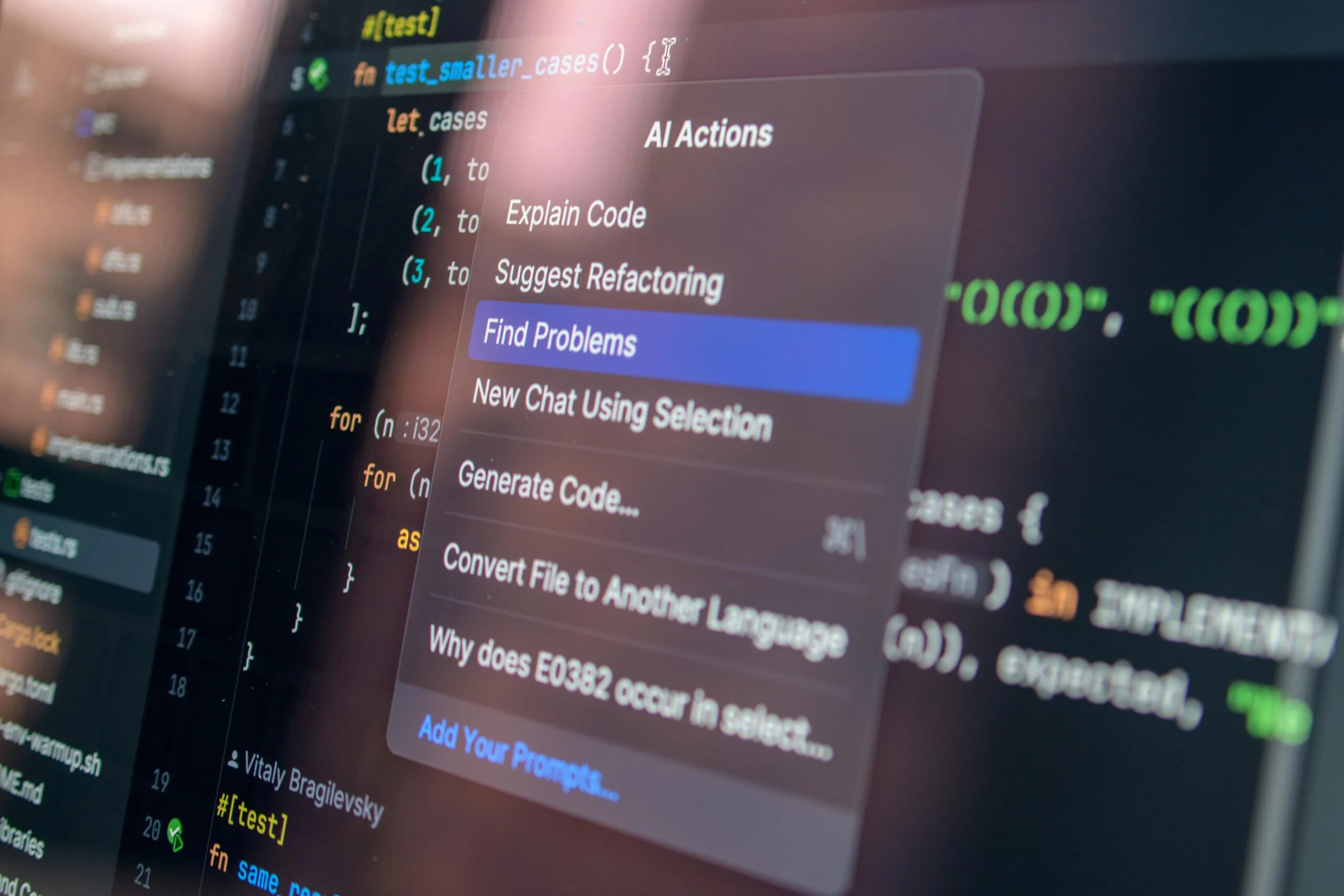
Establishing AI Playbooks for Operations

Image Source: Pexels.com
Addressing institutional knowledge loss in operations is, however, surprisingly simple with AI, and can be done on a four step framework.
Identify Critical Knowledge
Not all knowledge is worth preserving. Look at areas with:
- High-impact processes
- Frequent failure points
- High dependency on skilled staff
- High variability
These will be where the workforce retirement risk in manufacturing is highest.
Capture Contextual Decisions
Next, focus on capturing knowledge from people, not from existing documentation. This could be machine adjustment insight, troubleshooting actions, operator inputs, or even decision sequences. The goal is capturing the tacit knowledge manufacturing operators have, not basic processes.
Structure Knowledge into AI Playbooks for Operations
The next step is to structure this expertise into a repeatable, contextual data layer AI can use to repeat not just the steps, but the problem-solving logic behind them. AI knowledge management systems built this way let that data be reused and scaled.
Deploy That Knowledge
The goal isn’t to store this knowledge, but to ensure it can be used consistently in an AI-ready operation. Your AI knowledge management system should be embedded into workflows and operations for success.
Knowledge capture in manufacturing with AI does more than prevent loss. It’s the secret to:
- Reduced downtime and errors
- Improved training depth and speed
- Consistency across shifts and sites
- Institutional, not individual, expertise and preservation
In short, knowledge becomes a strategic asset.
Without action, manufacturers risk losing critical expertise they will struggle to replace. With knowledge preservation now a top concern for manufacturing leaders, knowledge capture in manufacturing with AI offers a way to not just retain, but structure and scale that expertise for a new generation of workers — before it walks out the door.
FAQs
When experienced workers leave a manufacturer, their decades of expertise leaves with them. This can hamper efficiency efforts and increase errors. Filling the gap also slows down training unless a structured knowledge capturing process is in place.
Tacit knowledge is the experienced-based knowledge that is not formally documented. It is often rooted in decades of unique expertise, and its loss can impact operations heavily.
AI offers manufacturers a way to capture the tacit knowledge that is often lost during retirements. It can capture and logically structure that expertise, keeping it within the manufacturer even as personnel change over.
AI playbooks are structured guides, rooted in expert knowledge, that help manufacturing operators capture and use institutional knowledge across the business. This helps to preserve tacit expertise and knowledge.

 View Profile
Recent Posts
-
 June 9, 2026
 -
 April 14, 2026
 -
 March 10, 2026