
The manufacturing industry generates a lot of data. From the sensors on individual machines to the insights hidden in ERP systems, it’s there to back good decisions. Now, it’s a matter of making sure the right data is visible, when you need it.
Most manufacturers are already collecting and centralizing data through operational dashboards. But data alone does not automatically make for better decisions. It’s all in how that data is actually used to improve the decisions being made.
That’s where decision intelligence in manufacturing matters most. Predictive manufacturing analytics puts data together to determine what happens next. This then supports people through suggesting what action to take, and when to take it. In short, it turns dashboard visibility into concrete action.
Augmenting human decisions with AI lets companies move faster. It also improves the quality of the data they’re working from. This turns information into timely and practical decisions — made before your competitors.
Thinking Beyond the Dashboard
Visibility into all aspects of manufacturing information is valuable. We already know that 84% of manufacturers have seen value from AI, reporting around 20% improvement in critical KPIs. But the next hurdle is turning all that data into faster, better results.
If, for example, dashboard metrics show that production output is falling, that’s important. But someone still needs to determine why and decide what to do next. Information is there, but action is still needed to see value from it.
Operational decision support with AI can help to close that gap. It combines relevant data to identify patterns. Then it makes recommendations towards suitable next actions.
Predictive Manufacturing Analytics: Earlier Indicators Allow Earlier Action
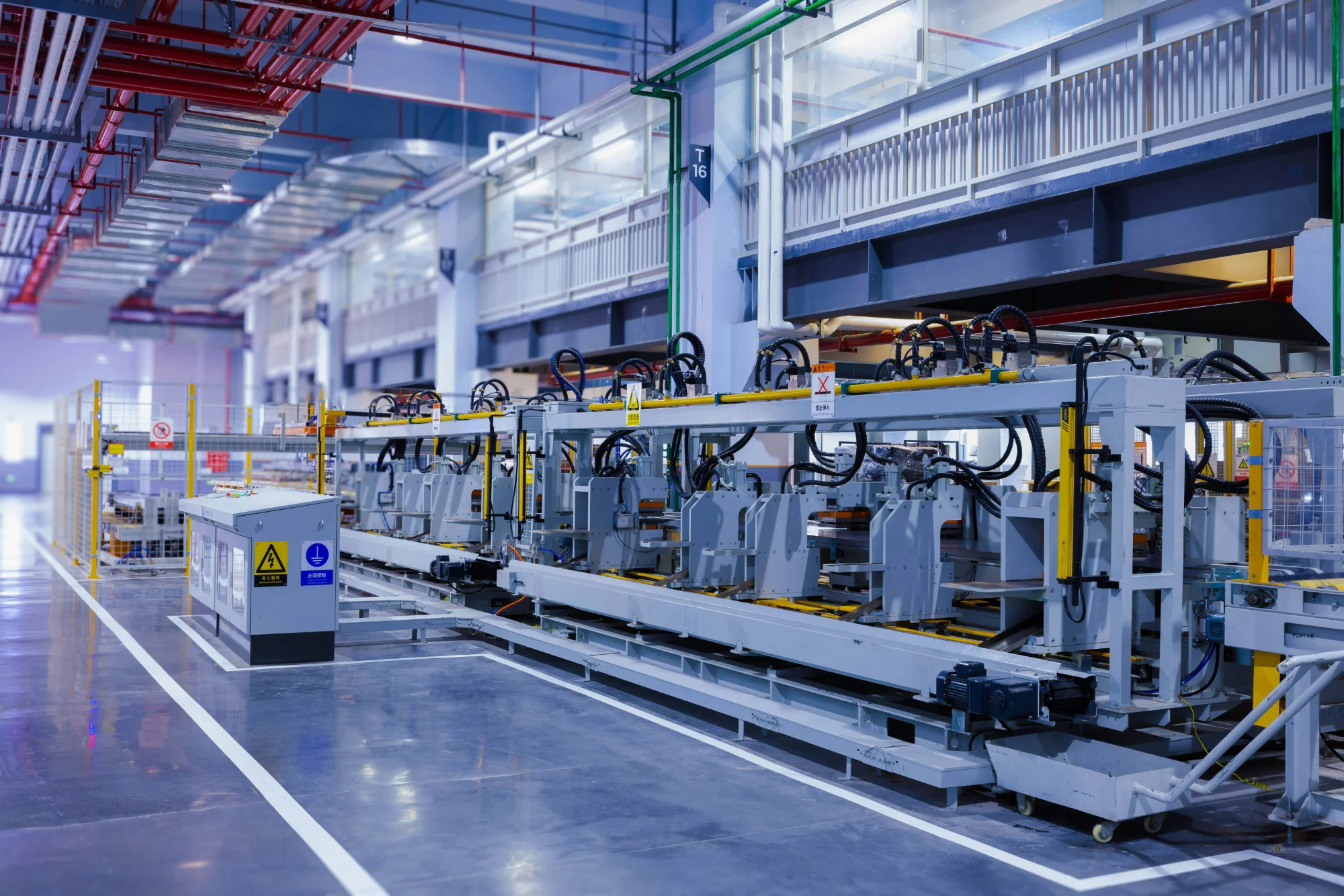
Image Source: Unsplash.com
Predictive maintenance is already familiar to most manufacturers. Predictive manufacturing analytics takes that a step further. It’s not just flagging early-developing machine issues. It helps teams anticipate potential problems or lucrative opportunities.
Gartner predicts that, by 2027, half of business decisions will happen by augmenting human decisions with AI.
That doesn’t mean removing people from decision-making altogether. Manufacturing environments are complex and context-driven. That doesn’t always show in captured data. The goal now is to bring that expertise together with a complete, connected picture.
AI-driven operational control collects and connects more data and patterns, at a speed and scale people can’t. But people have the context and judgment to use that information where it generates the most operational value.
Inside Decision Intelligence in Manufacturing
For manufacturers, this has potential across the factory floor:
Production Planning: AI can help alert to changing conditions and improve scheduling. This moves away from static forecasts to real-time decision making for manufacturing outfits.
Quality Assurance: Historically, quality teams can only act on problems after they’ve happened. Decision intelligence in manufacturing finds those patterns earlier. Earlier action means faster intervention and less risk.
Maintenance: AI unites the signals of needed maintenance early. This allows prioritization that fits into operational needs and addresses potential consequences. It’s not just a “data alert.” Now, it's also smarter decisions on the factory floor.
Supply Chain: Delays in the supply chain can ripple into large parts of operations. It impacts customer commitments and production schedules. Decision intelligence allows for faster triage of problems. It also supports improved forecasting. Manufacturers can act to offset supply chain issues early and efficiently.
However, this type of real-time decision making in manufacturing needs three critical foundations:
Connected data that brings together all information, across systems and machines.
Embedded workflows that place this information centrally and make AI part of how manufacturers work.
Clear accountability and ownership on decisions made, rather than simply following every recommendation.
When all three elements are present, operational decision support with AI means faster, higher-quality action.
Creating Effective AI-Driven Operational Control
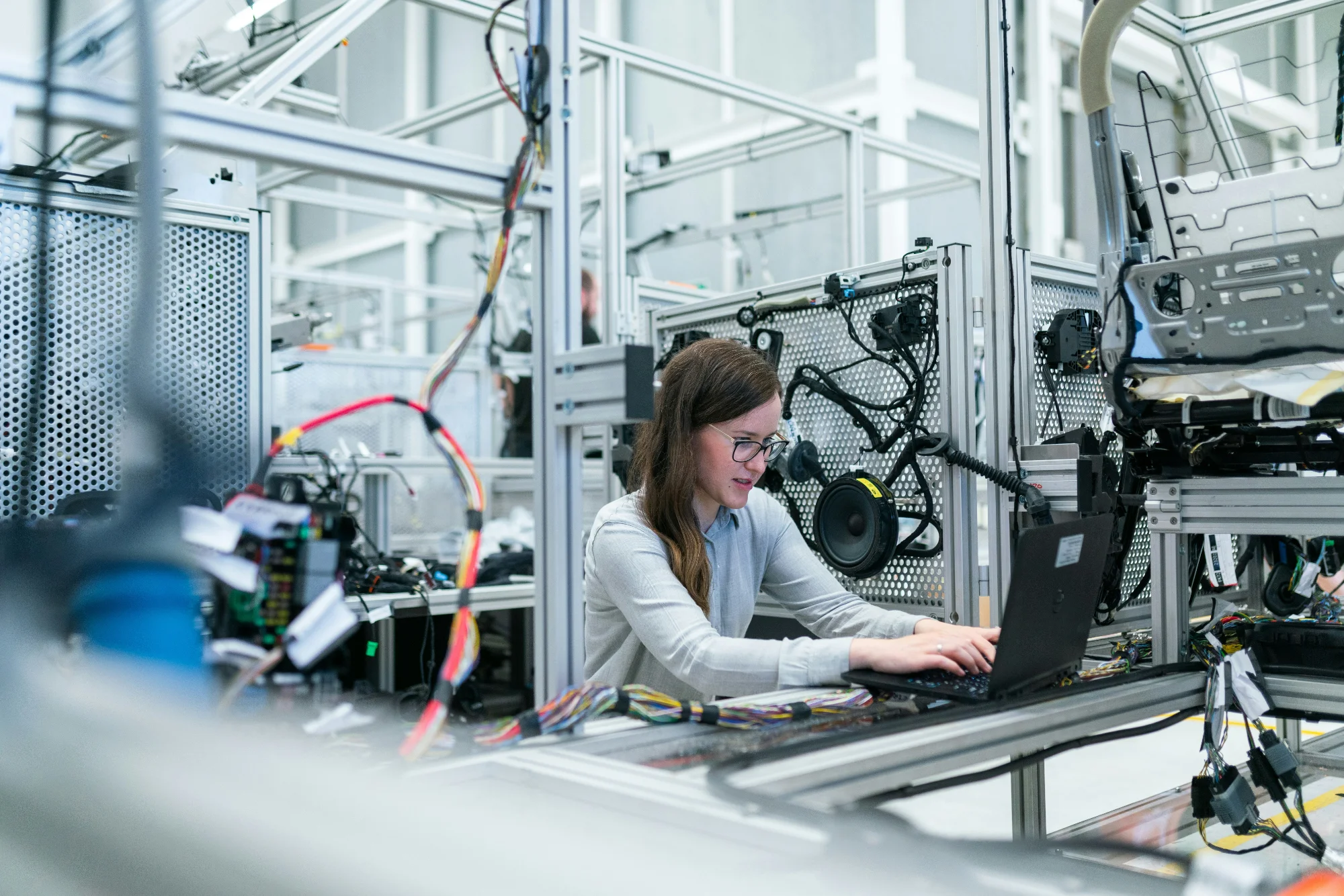
Image Source: Unsplash.com
To be most effective, decision intelligence in manufacturing should be created in defined layers:
Informing, where AI identifies a potential pattern or issue
Recommendation, where it offers advice on appropriate responses
Approval, where an expert reviews and authorizes any action
Action, where AI can take low-risk actions automatically. People authorize any higher-risk actions.
With this approach, real-time decision making in manufacturing is supported. But human accountability remains in place where it matters most.
The goal should not be to introduce AI-driven operational control everywhere at once. Instead, decision intelligence for manufacturing should first be introduced where:
Data volume is high
Strong data foundations already exist
Consequences matter most
Faster action will create measurable value
Once introduced, the key metric is not how much the AI is used, but rather how well decisions improve with its use.
Creating a Competitive Advantage Through Proactivity
Until now, most decision-making happened after the fact. With real-time decision-making in manufacturing, earlier signals, and so earlier responses, mean faster action.
This alone can do much to reduce risk. It also ensures those signals become smarter decisions, earlier. Before problems escalate, or windows of opportunity close. Those companies that can put decision intelligence in manufacturing to work before their competitors will be the ones best placed for success. And that alone is invaluable in a competitive industry.
You’ve improved your data visibility. The next step is improving what happens after that visibility is in place. So you’re able to act earlier and focus on the best outcomes.
FAQs
What is decision intelligence in manufacturing?
Decision intelligence in manufacturing brings together data and advanced analytics with AI. This connects previously isolated operations and offers recommendations. Teams can make faster, better decisions across operations with AI support.
How is operational decision support with AI different from a dashboard?
Dashboards offer valuable insight into what is happening. Decision intelligence extends this further. It uses predictive manufacturing analytics to suggest what may happen. This supports better decisions.
What types of real-time decision-making in manufacturing does AI support?
AI brings together data to identify patterns and possible outcomes, making recommendations. People then decide what to do based on expertise and control. Common uses are for production planning and predictive maintenance. It also has value for quality control and inventory decisions. AI can also support better supply chain control.
Does AI-driven operational control replace people’s decisions?
Effective AI systems work on augmenting human decisions with AI insight, not replacing them. They offer analysis and recommendations. But the responsibility for important or high-risk decisions remains with people.